

The All on Four and All on 6 technique has become an excellent option for edentulous people or those with a great dental loss. This innovative technique allows a hybrid prosthesis to be placed in a single day, without the need for bone grafts.
A thorough study of your needs is carried out to design a personalized treatment plan that guarantees the recovery of your smile in the shortest possible time, with maximum safety. If you are looking to recover your smile.
Índice
- What is the all on four technique?
- What is the all on 6 technique?
- In which patients is the all on four and all on 6 technique indicated?
- Advantages of the all on four and all on 6 techniques
- The treatment step by step
- Aftercare following the treatment
- Frequently asked questions about all on four and all on 6
What is the all on four technique?
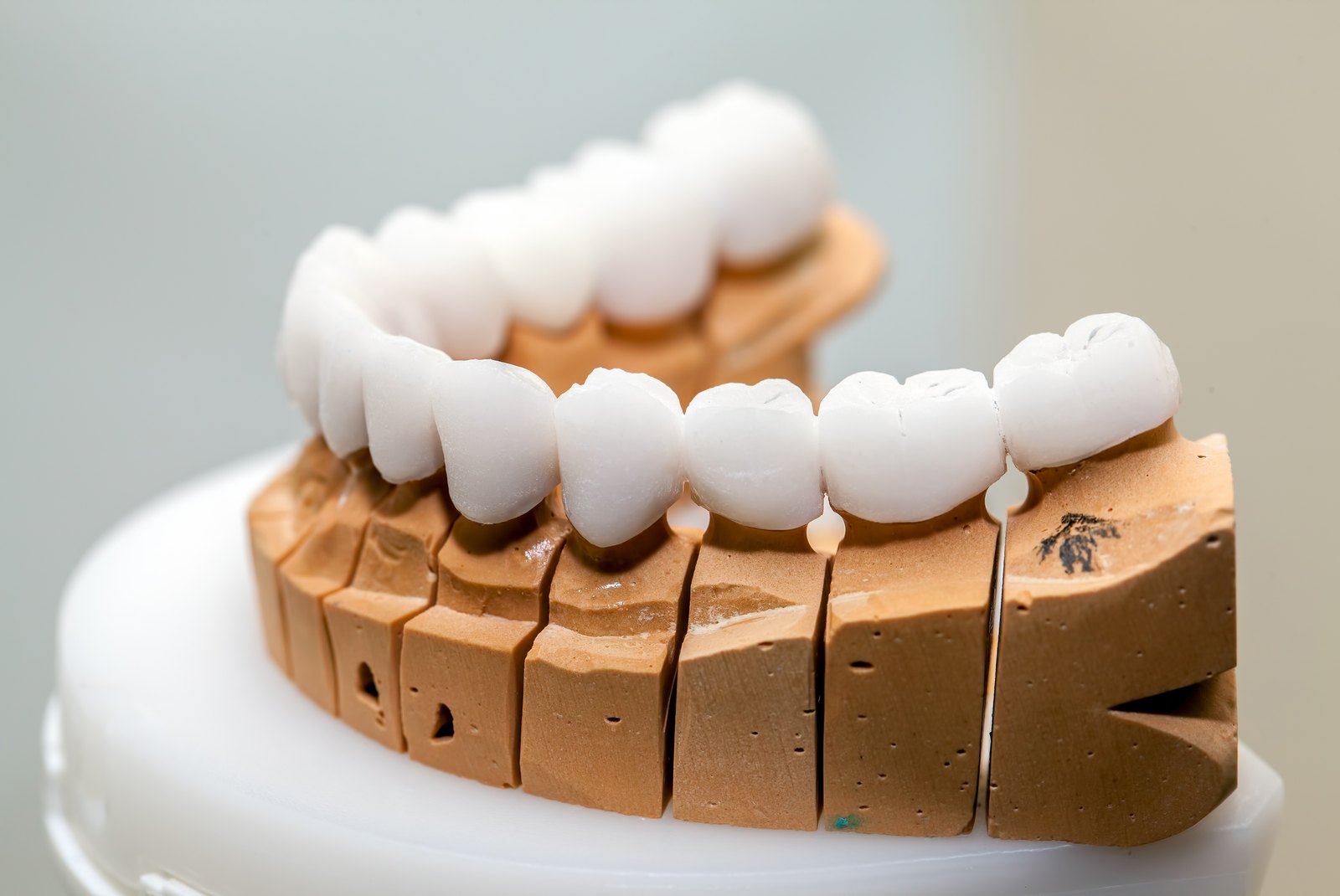
The All On Four technique is an advanced dental implantology solution that allows the replacement of all teeth by placing only four implants in both dental arches. With this technique, a full-arch prosthesis can be attached, which means that the patient can recover his or her smile quickly and efficiently.
One of the main benefits of this technique is that it significantly reduces treatment time and cost compared to other tooth replacement methods. It is also an ideal option for patients who have lost most of their teeth and are looking for a fixed, long-lasting solution. In addition, in many cases, the All On Four technique can avoid the need for more invasive surgical approaches, reducing recovery time and treatment complexity.
What is the all on 6 technique?
The “All-on-6” technique is an approach to dental implant dentistry that involves the placement of six dental implants in a mandible or maxilla to support a complete dental prosthesis. This technique is a variation of the well-known “All-on-4” technique, in which four implants are used to achieve the same purpose. The main difference is the number of implants used, which provides greater stability and support to the prosthesis.
In which patients is the all on four and all on 6 technique indicated?
If you have suffered the loss of one or more teeth, or if you have edentulism (complete absence of teeth), All On Four or All On 6 implant treatment is an effective and long-lasting alternative to recover your smile.
The technique is especially indicated when tooth loss is extensive and a fixed solution is sought without bone grafts: the tilted position of the posterior implants makes the most of the available bone in many cases of resorption. A prior assessment with an X-ray or 3D scan confirms whether your case is suitable, and situations such as untreated heavy bruxism, uncontrolled medical conditions or smoking are evaluated first because they affect the result.
Advantages of the all on four and all on 6 techniques
Advantages of the all on four technique
Fewer implants: The “All-on-4” technique uses only four implants to support a full prosthesis, which can be a more economical and less invasive option.
Faster recovery: By requiring less surgery, patients may experience faster recovery and less postoperative discomfort.
Immediate stability: The prosthesis can be immediately placed on the implants, which means that the patient can have functional teeth on the same day of surgery.
Advantages of the all on 6 technique
Increased support: By using six implants instead of four, the “All-on-6” technique can provide greater support and stability, which can be beneficial for more advanced bone loss.
Greater load-bearing capacity: The six implants allow for greater load-bearing capacity, which means it can support stronger chewing and a longer-lasting prosthesis.
Restorative options: The “All-on-6” technique offers more options in terms of restoration, allowing for greater esthetic and functional customization.
The treatment step by step
1. Study and planning. The mouth is assessed with an X-ray or 3D scan to measure the available bone and plan the exact position of each implant.
2. Surgery and implants. In a single procedure the four or six dental implants are placed, under local anaesthesia and, if desired, sedation.
3. Provisional prosthesis on the same day. A provisional prosthesis is fixed onto the implants: you leave the clinic with fixed teeth.
4. Final prosthesis. After a few months of integration between implant and bone, the provisional is replaced by the final prosthesis, stronger and better fitted.
Aftercare following the treatment
- Progressive diet: a soft diet is advisable for the first few days, returning to normal eating as your dentist indicates.
- Specific hygiene: besides brushing, a fixed prosthesis needs cleaning underneath with interdental brushes or an oral irrigator.
- Check-ups and maintenance: regular check-ups allow the prosthesis to be adjusted and the gum around the implants to be monitored, which is what makes them last for many years.
- Avoid tobacco: smoking is the main enemy of implant integration and gum health.
Frequently asked questions about all on four and all on 6
Is all on four or all on 6 better?
Neither is better in the abstract: it depends on each patient’s quantity and quality of bone. With more bone available, six implants distribute the load better; with less, the four tilted implants avoid grafts. The scan assessment decides.
Does the treatment hurt?
The surgery is performed under local anaesthesia and does not hurt; in the following days there may be moderate discomfort and swelling, controlled with the usual medication.
Can I eat normally from day one?
You leave with fixed teeth on the same day, but chewing recovers progressively: first a soft diet and, as integration advances, normal eating.
How long does an implant-supported prosthesis last?
With good hygiene and regular check-ups, implants can last for many years; the prosthesis is reviewed and adjusted at maintenance visits.


